Project Description
SHOW ME YOUR FACE.
THE POWER OF BECOMING.
An interdisciplinary art and science project.
JKU MED CAMPUS. ARS ELECTRONICA FESTIVAL, 2026
WHAT MAKES US WHO WE BECOME?
OUR GENES?
OUR ENVIRONMENT?
OUR ENCOUNTERS?
OUR CHOICES?
HUMANITY IS NOT GIVEN.
IT IS CONTINUOUSLY NEGOTIATED.
THE MEDIA ART INSTALLATION UNFOLDS THROUGH FOUR INTERCONNECTED ENTITIES:
GENOME → EXPERIENCE → AI TRANSLATION → PHENOTYPE
These are articulated through three video projections and the direct sonification of genomic data.
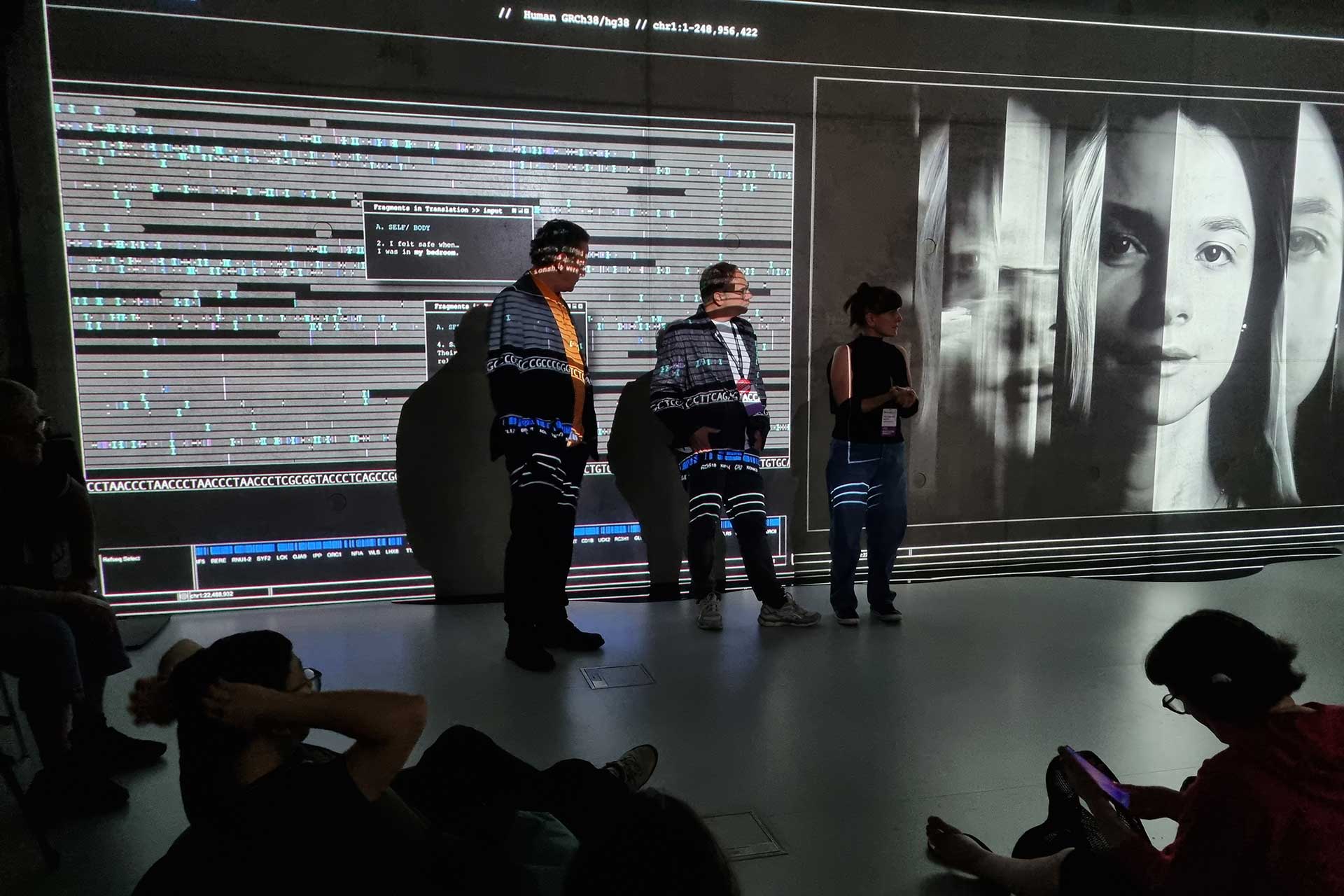
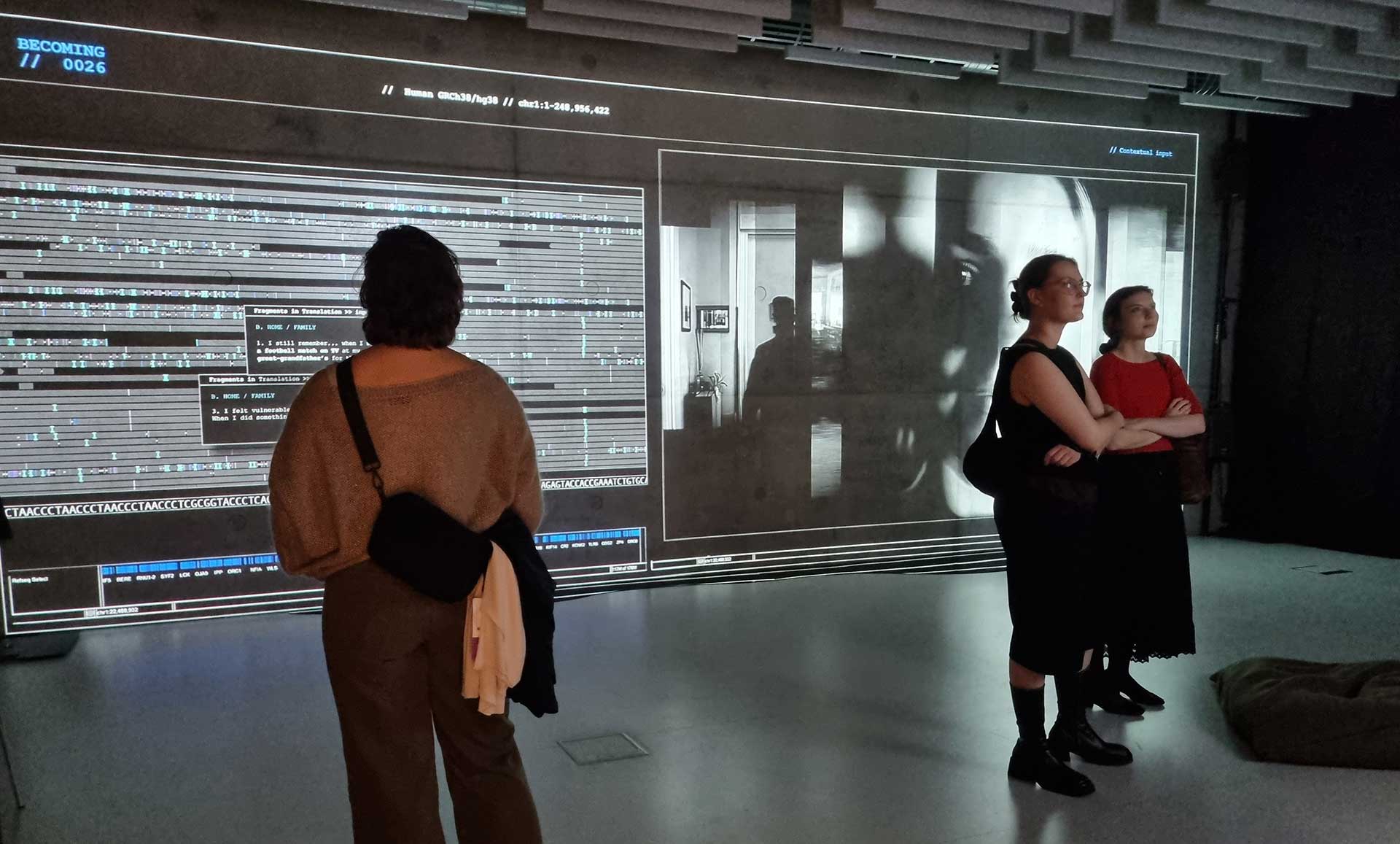
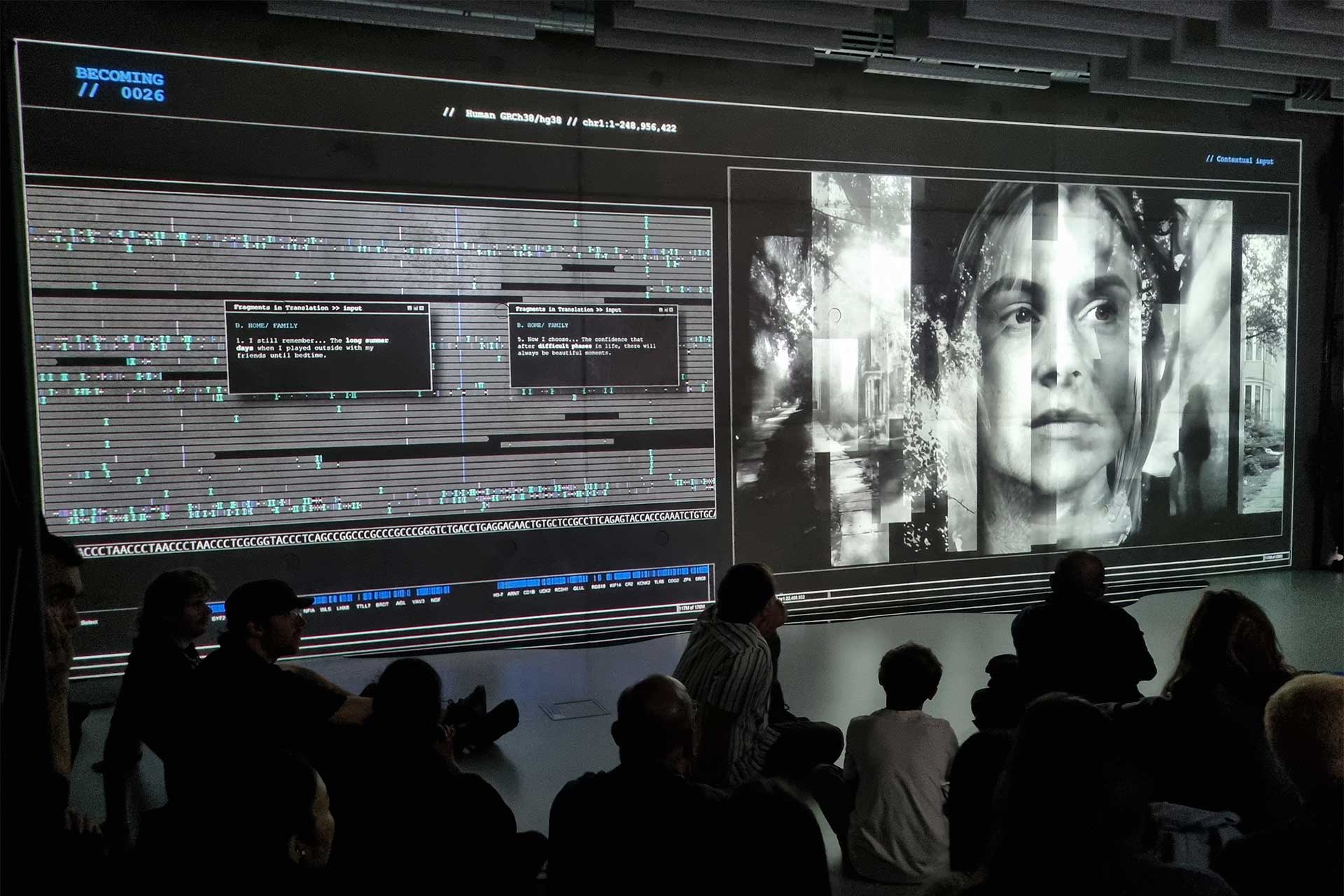
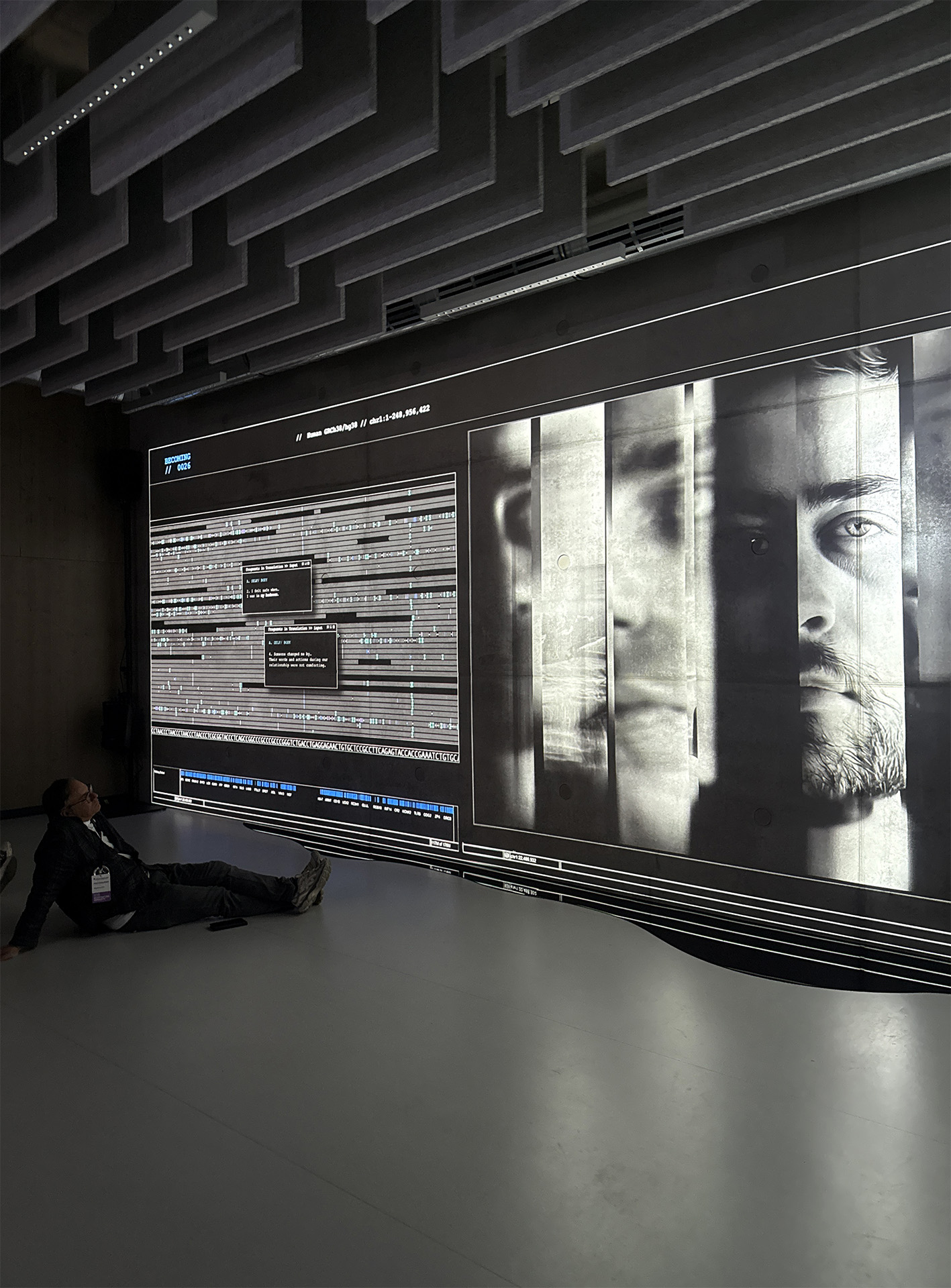
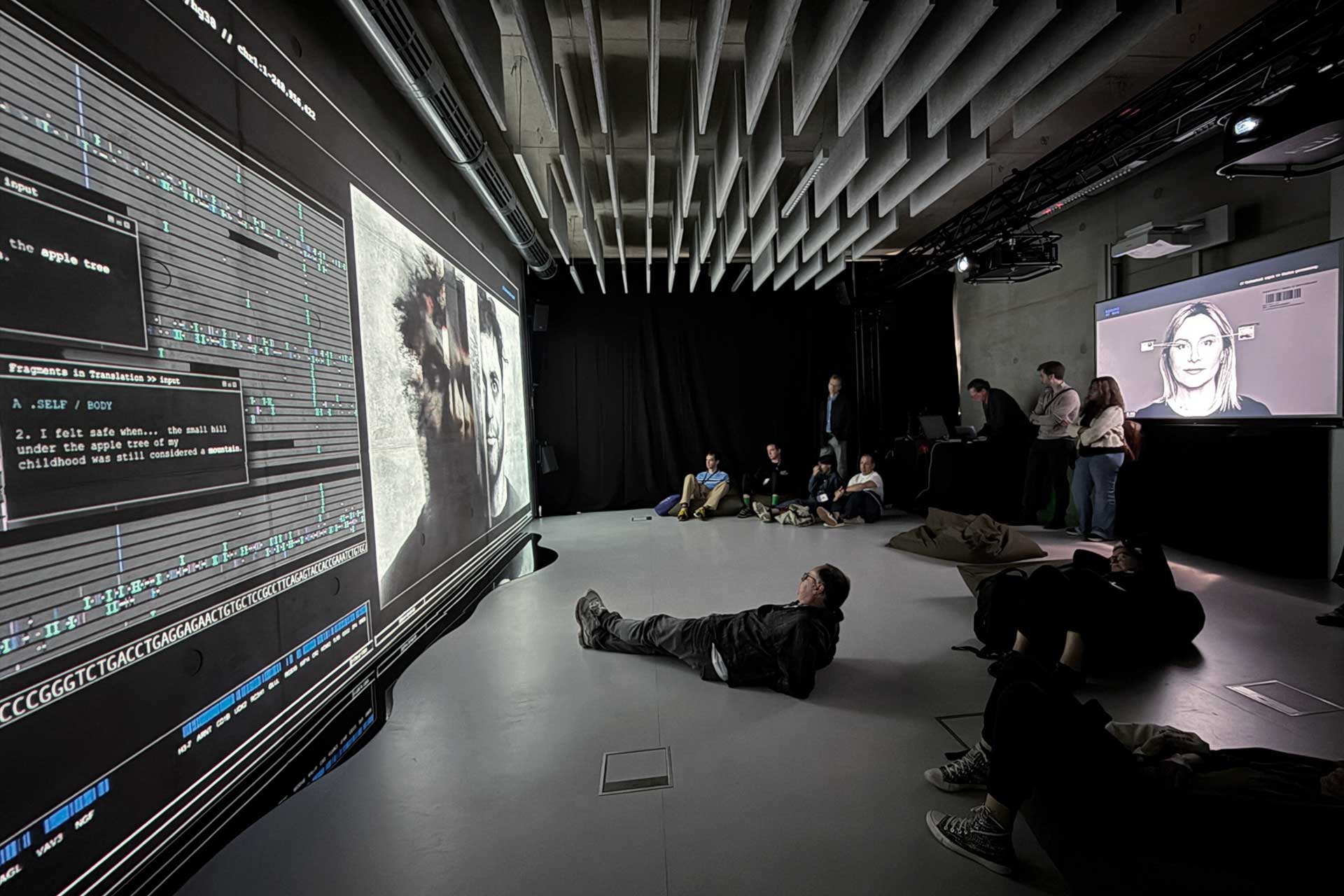
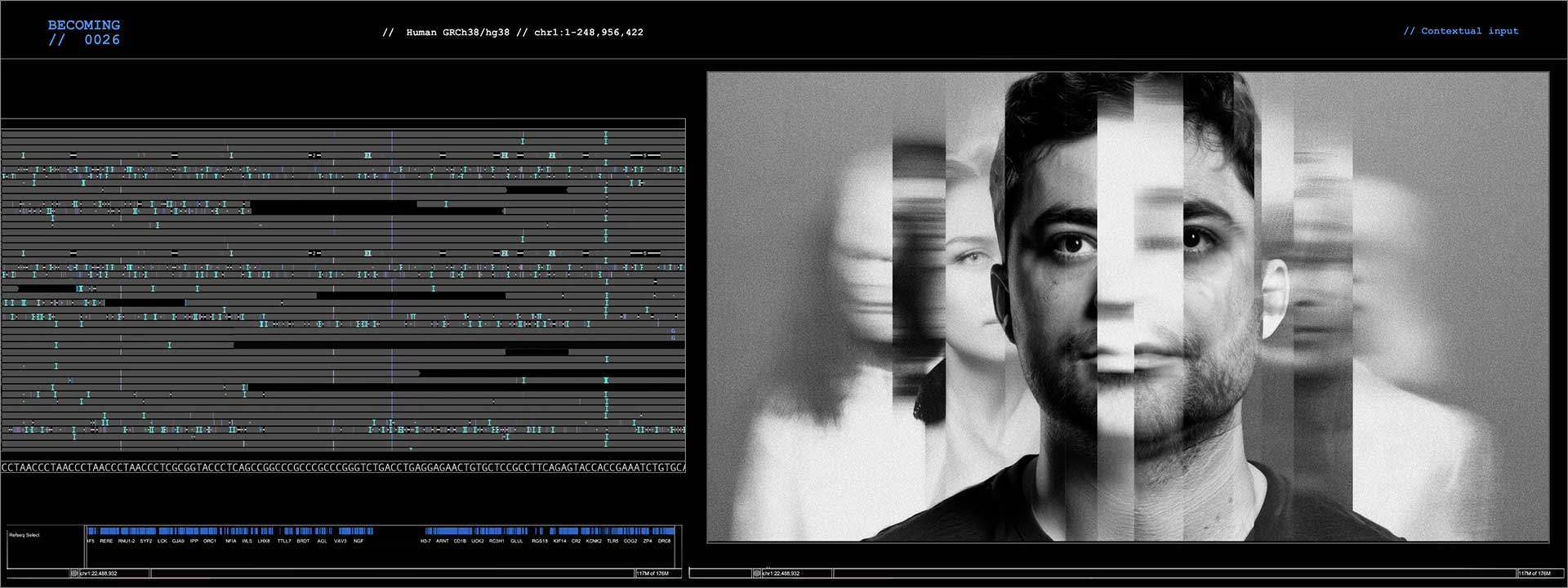
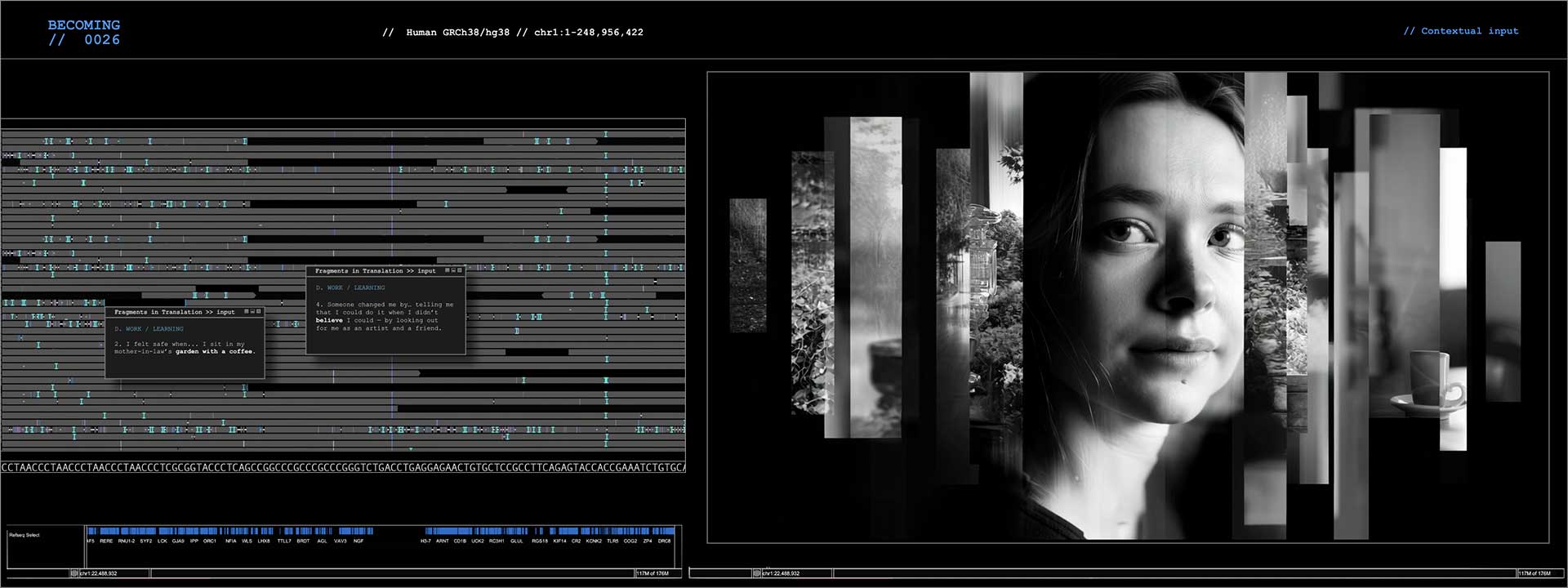
The first projection presents the Human Reference Genome as a continuous flow of genetic sequences, temporarily interrupted by fragments drawn from personal testimonies.
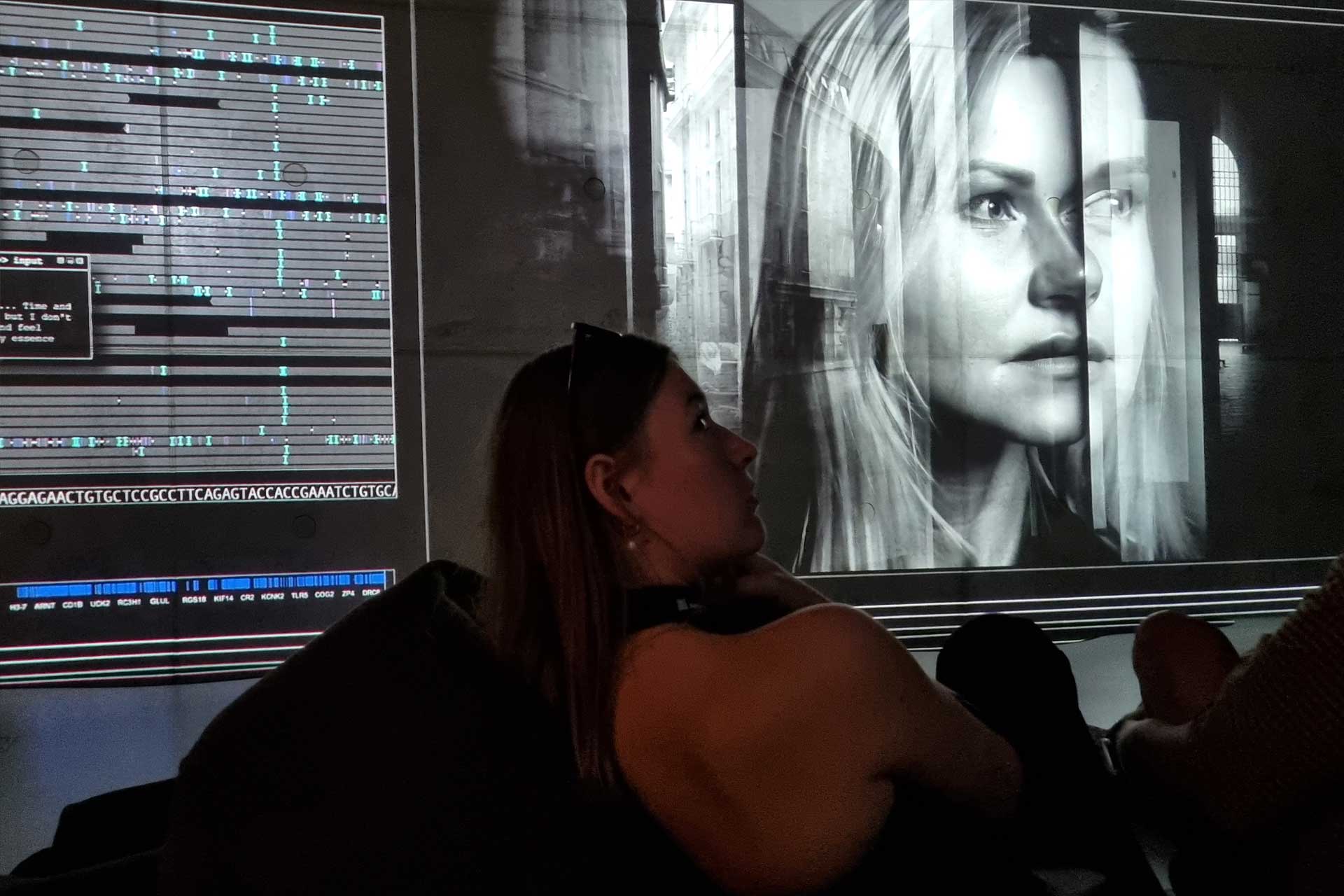
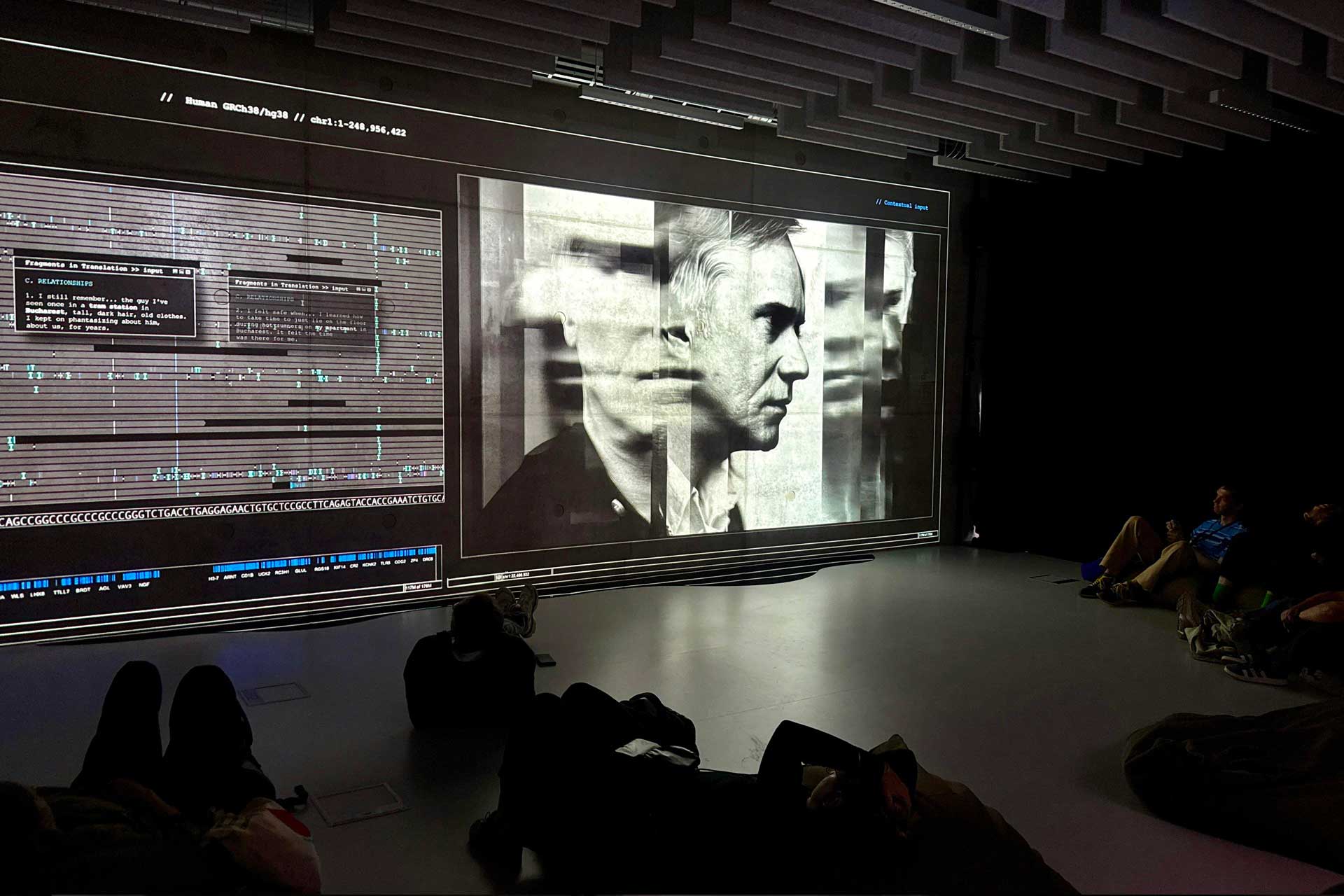
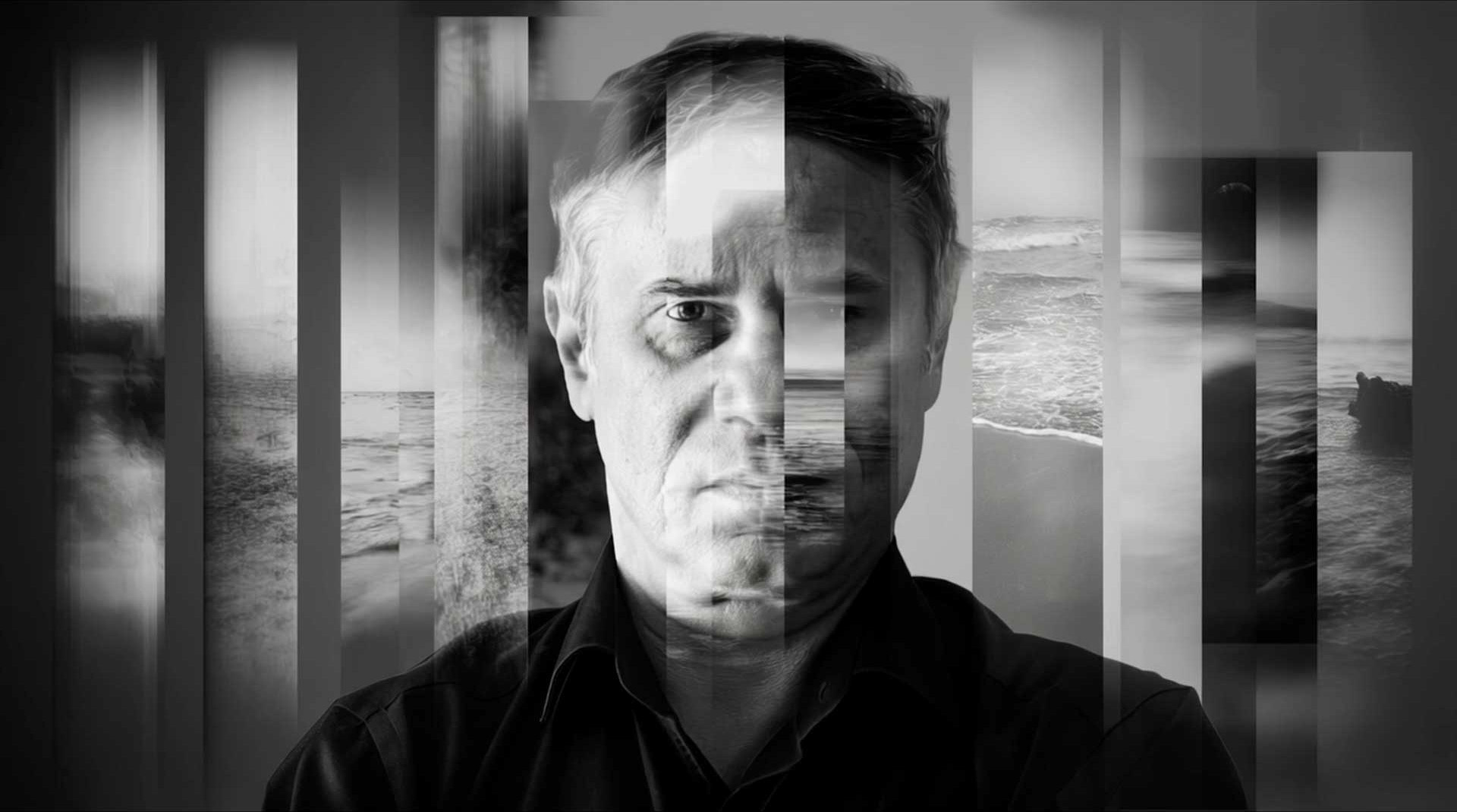
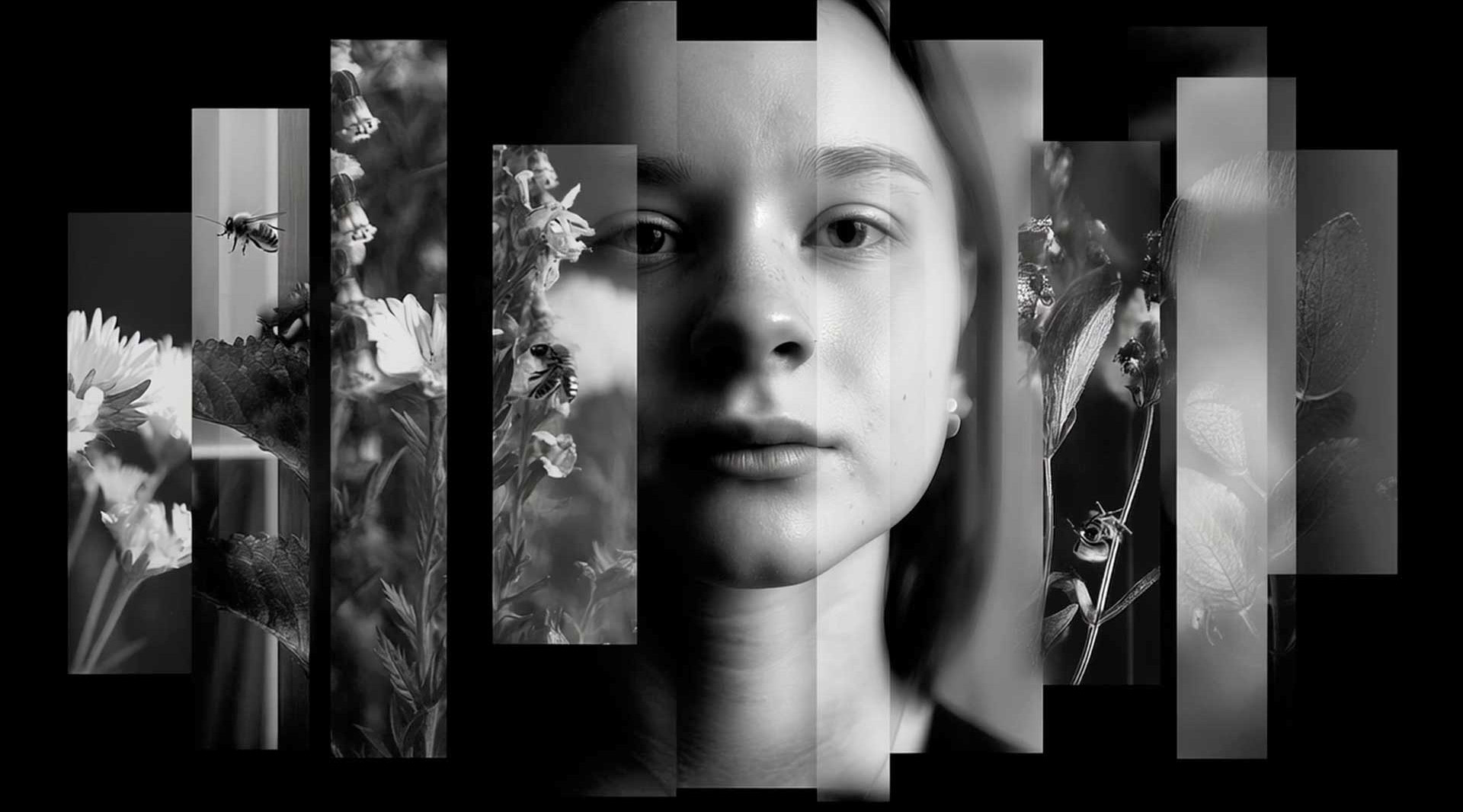
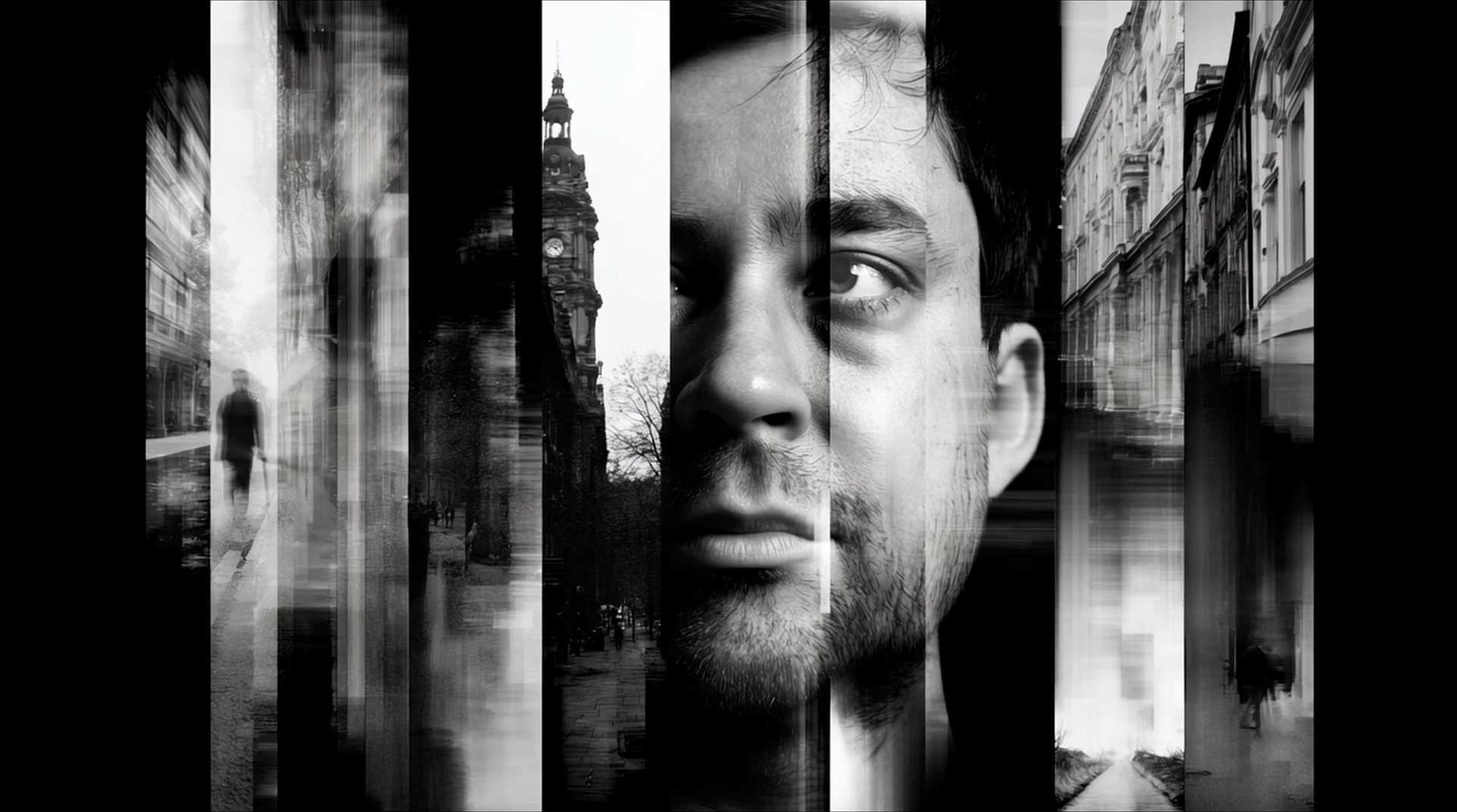
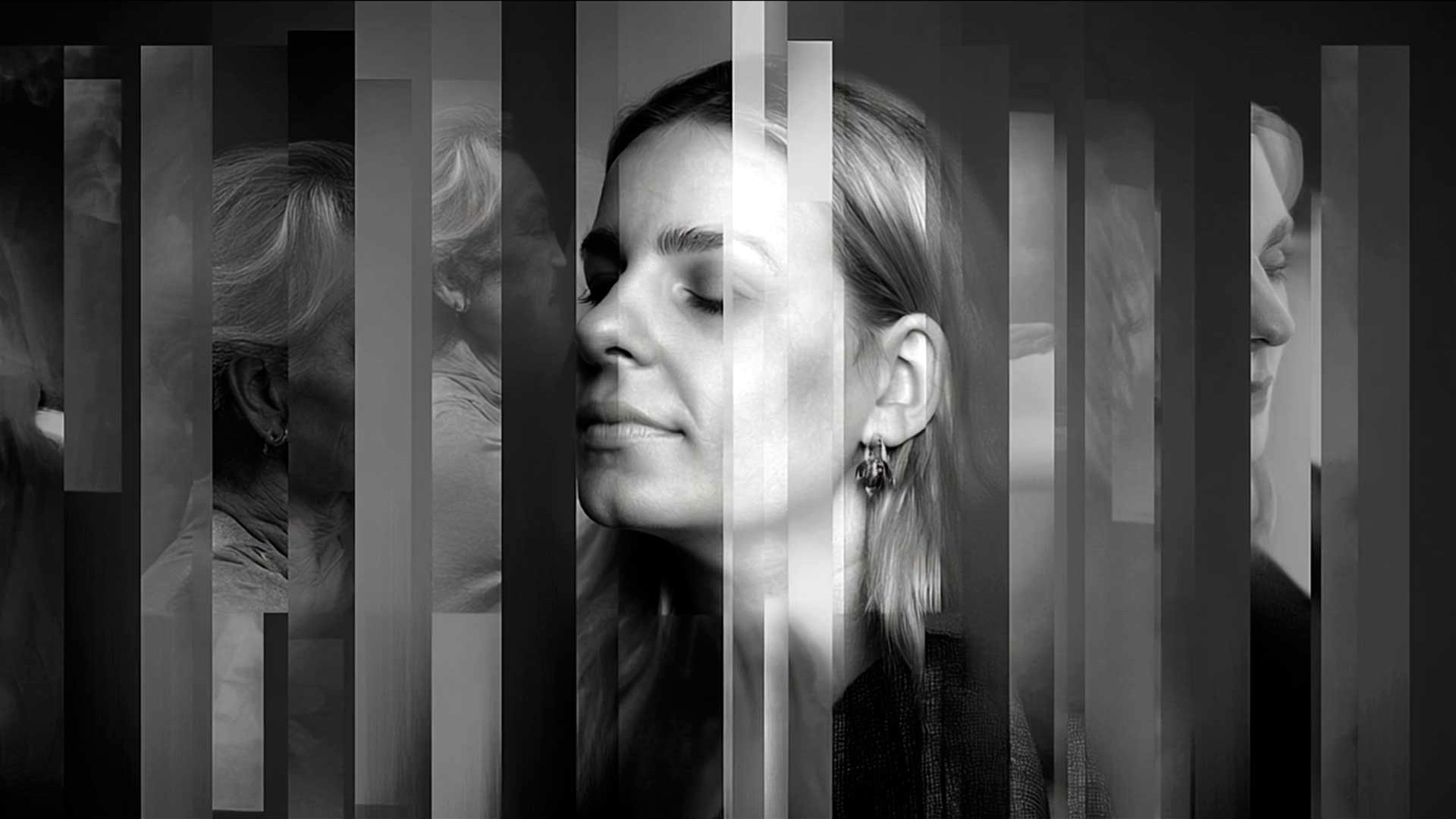
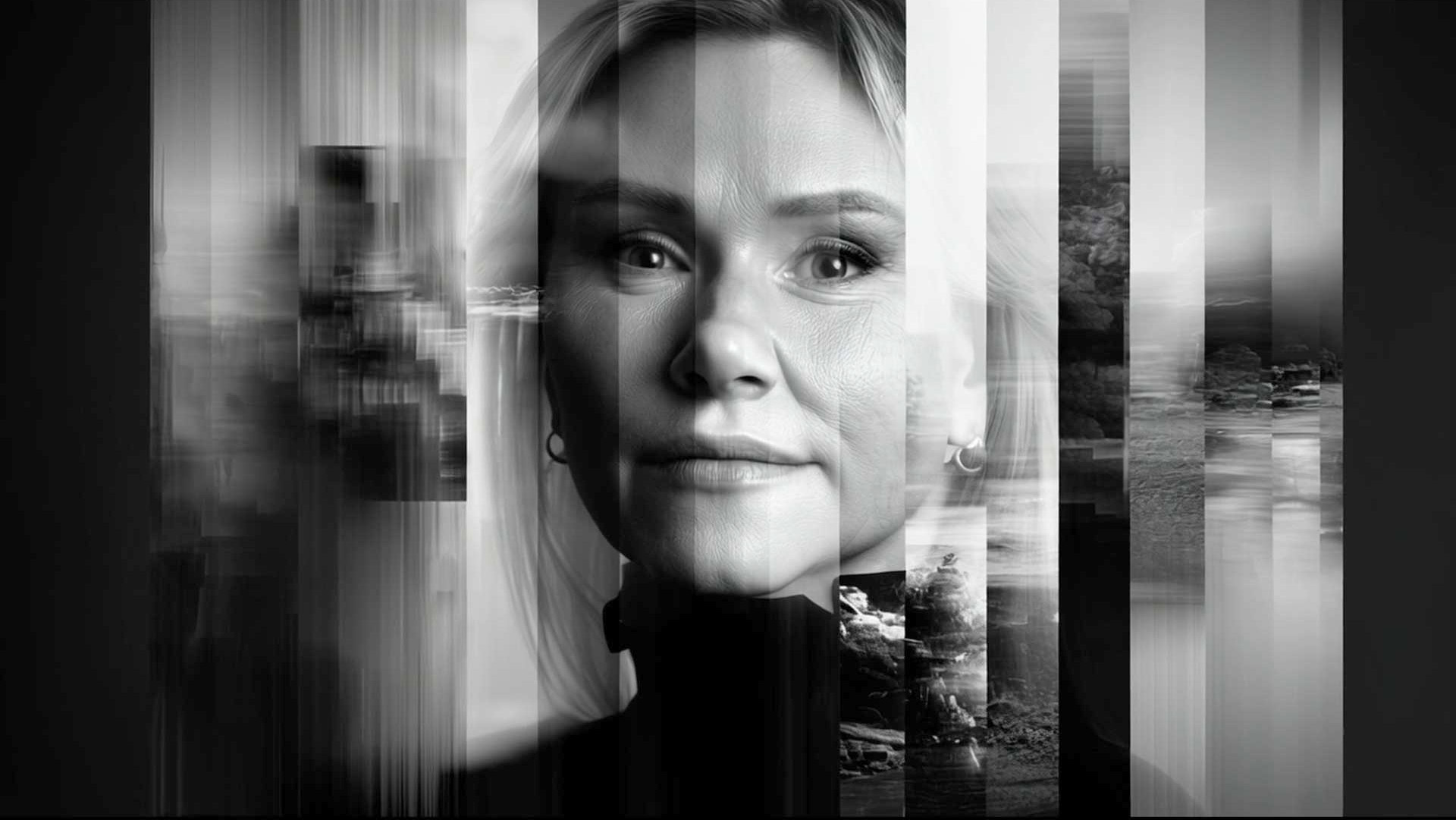
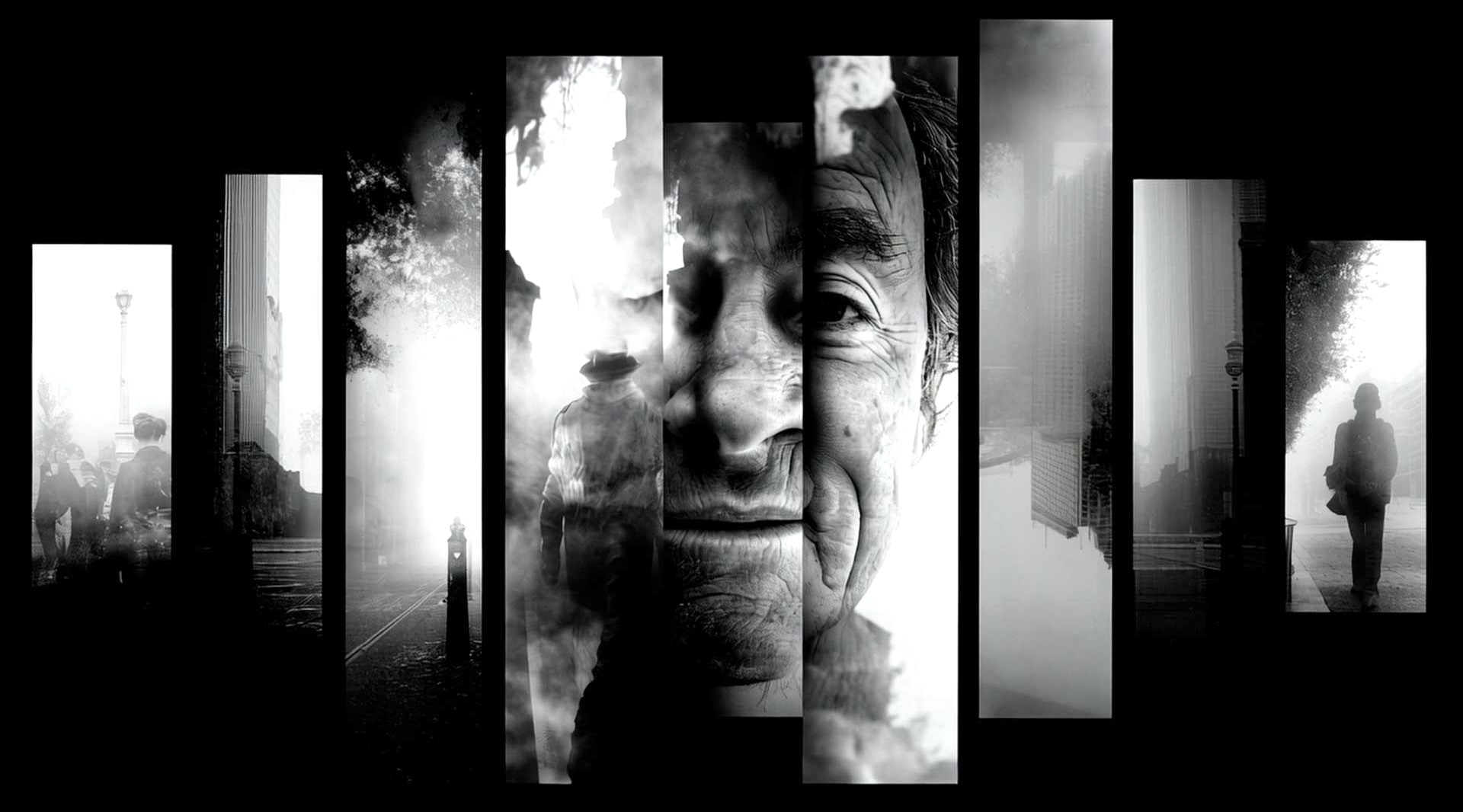
The second projection, Contextual Input, translates these experiences into fragmented visual narratives, combining portraits of real people with fleeting images of environments, memories, and relationships.
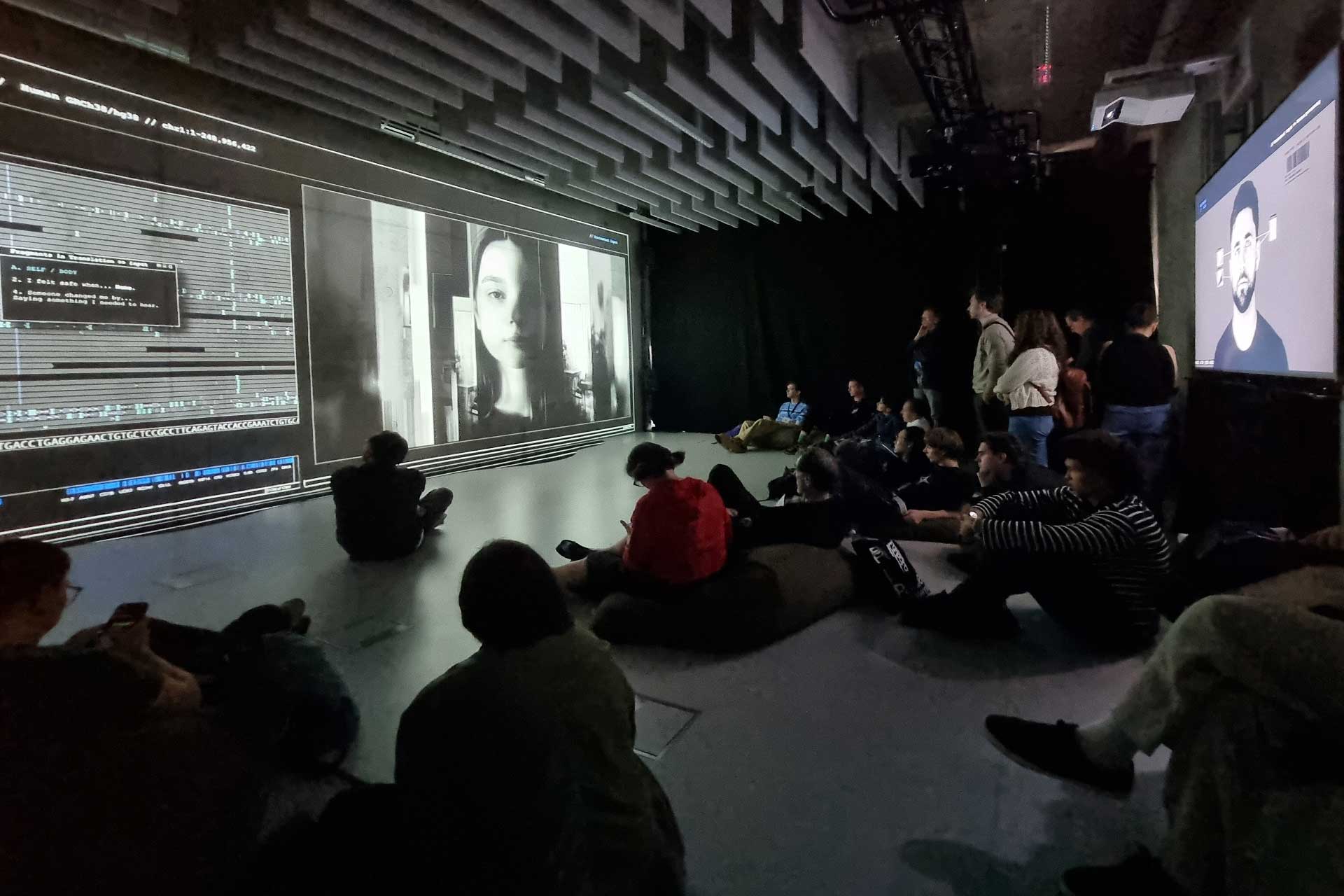
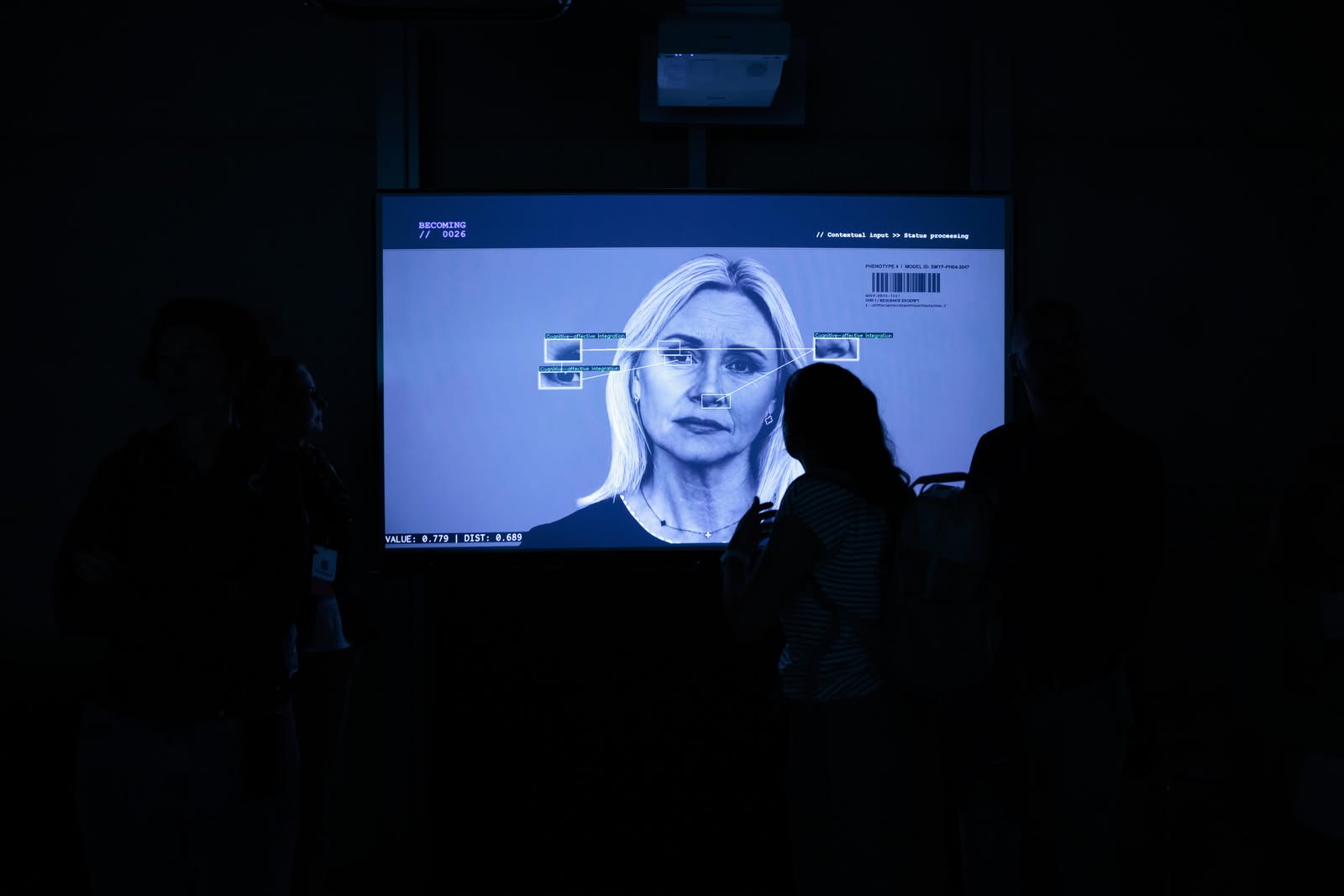
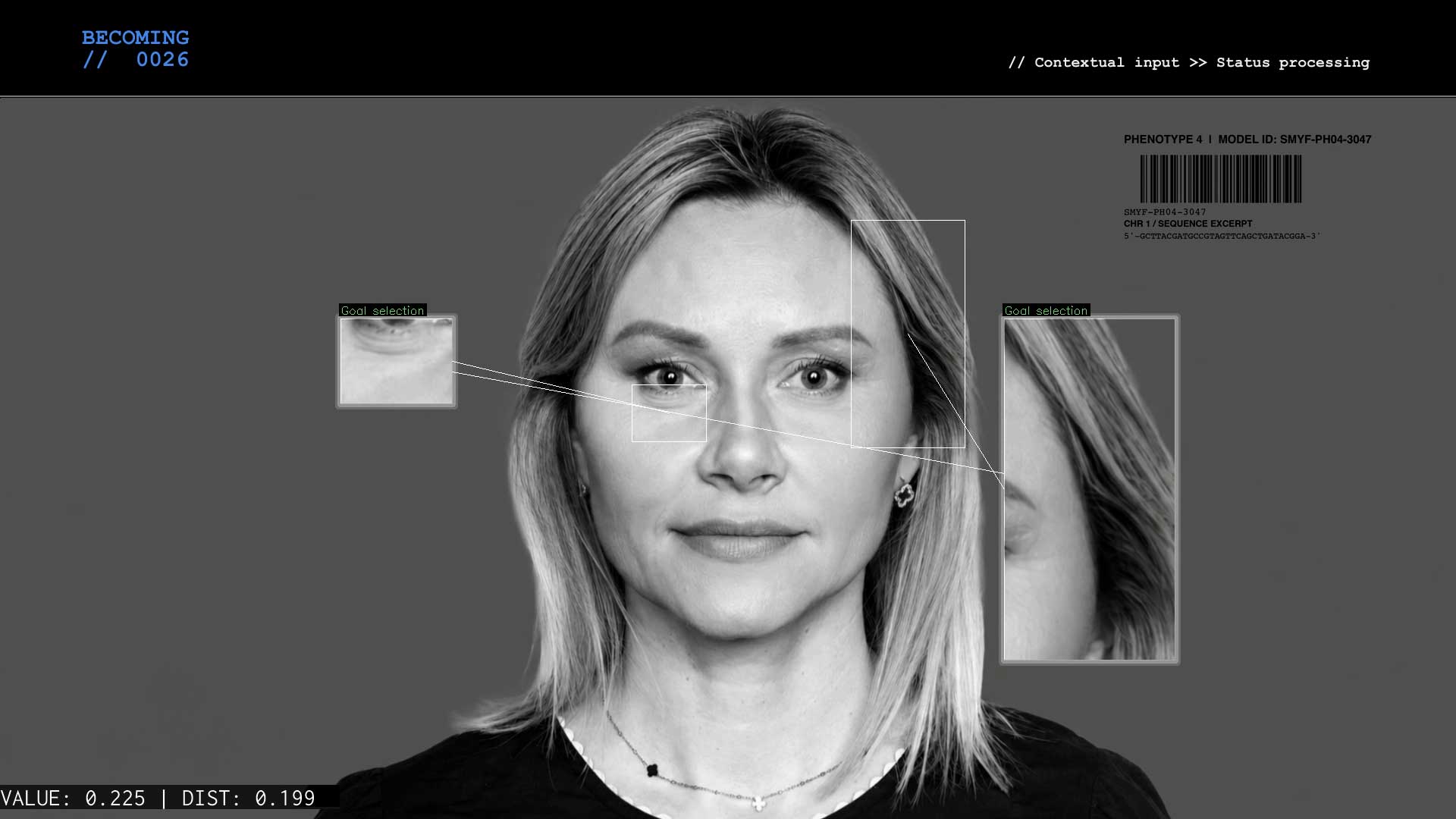
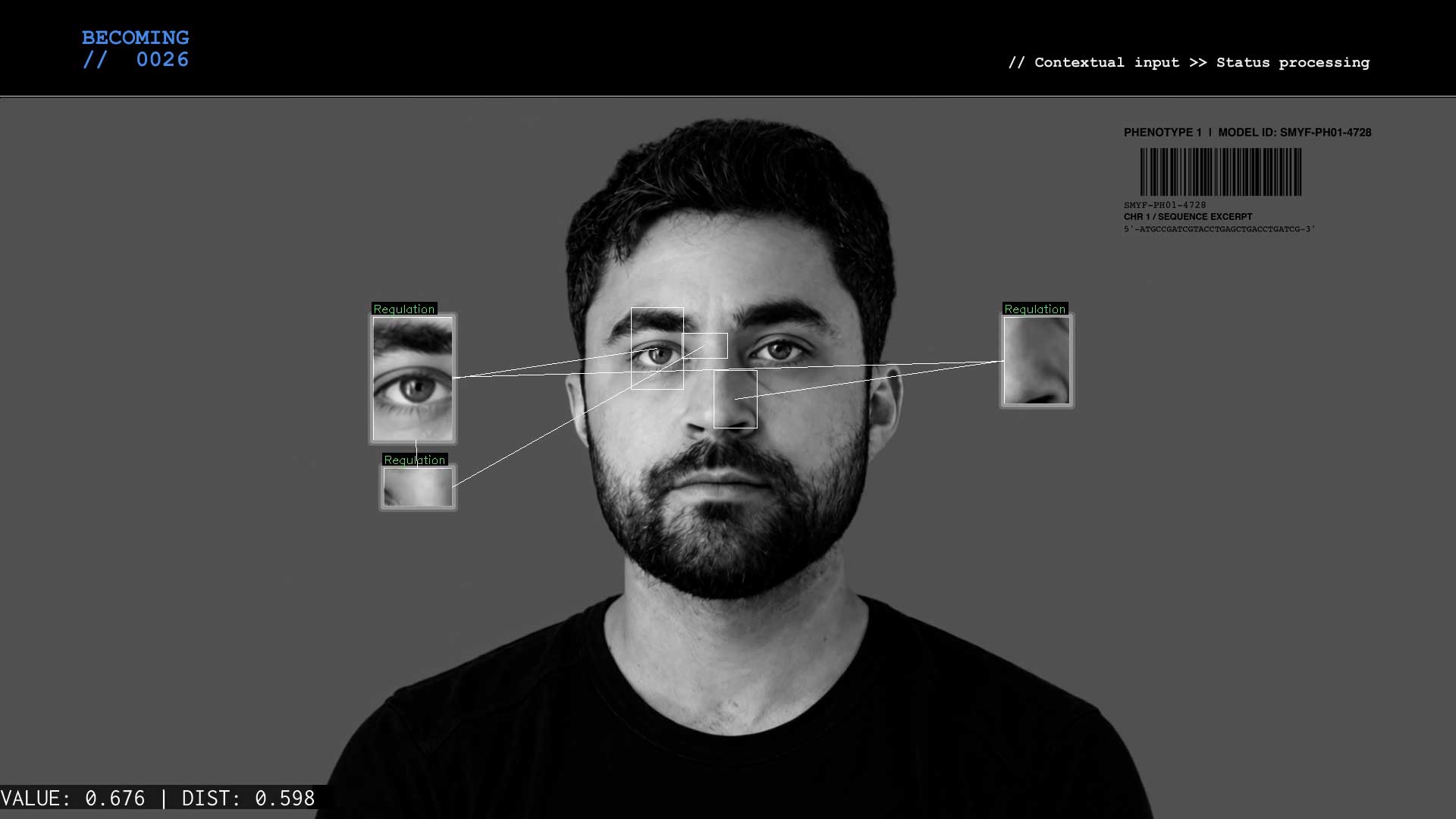
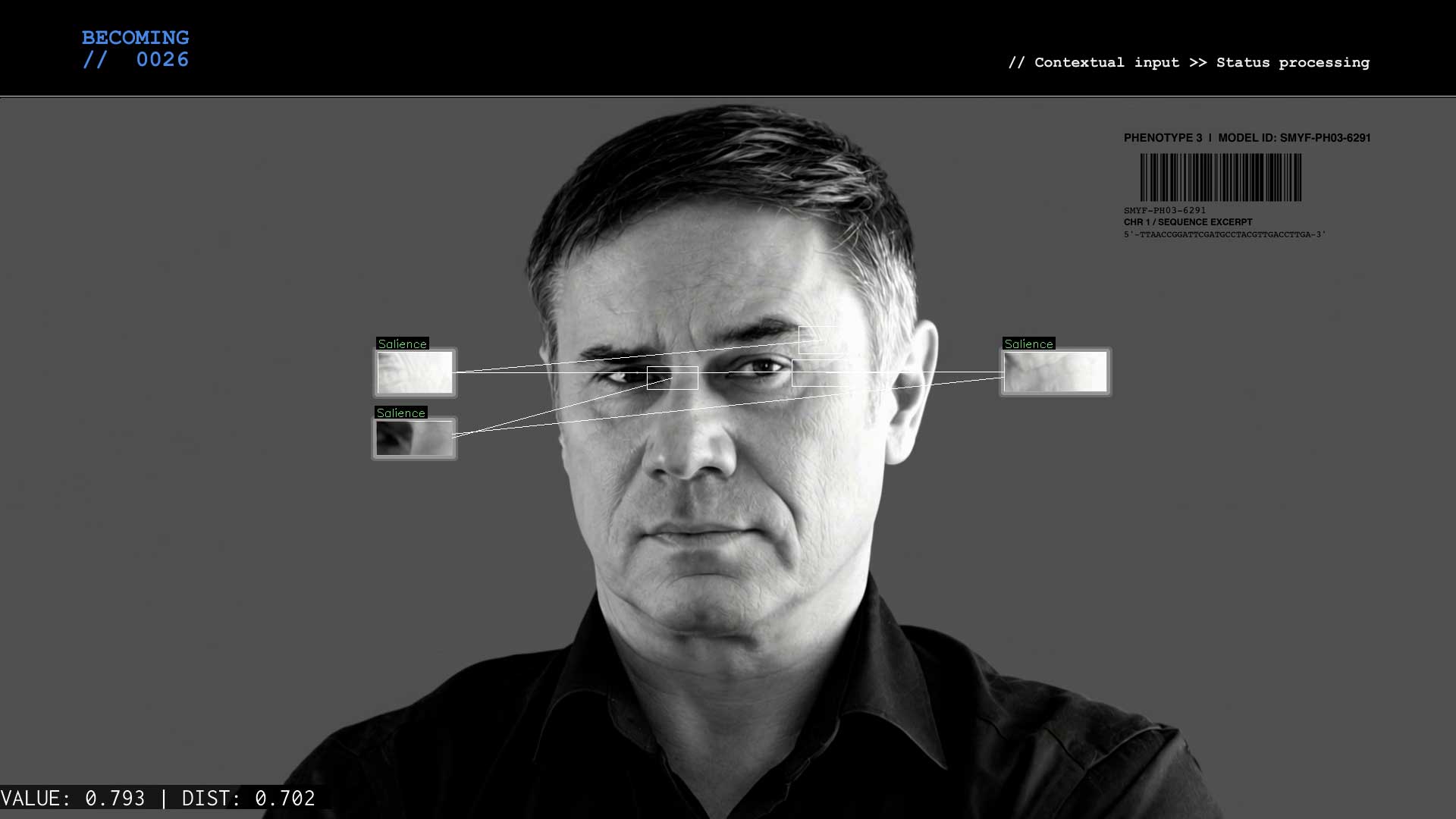
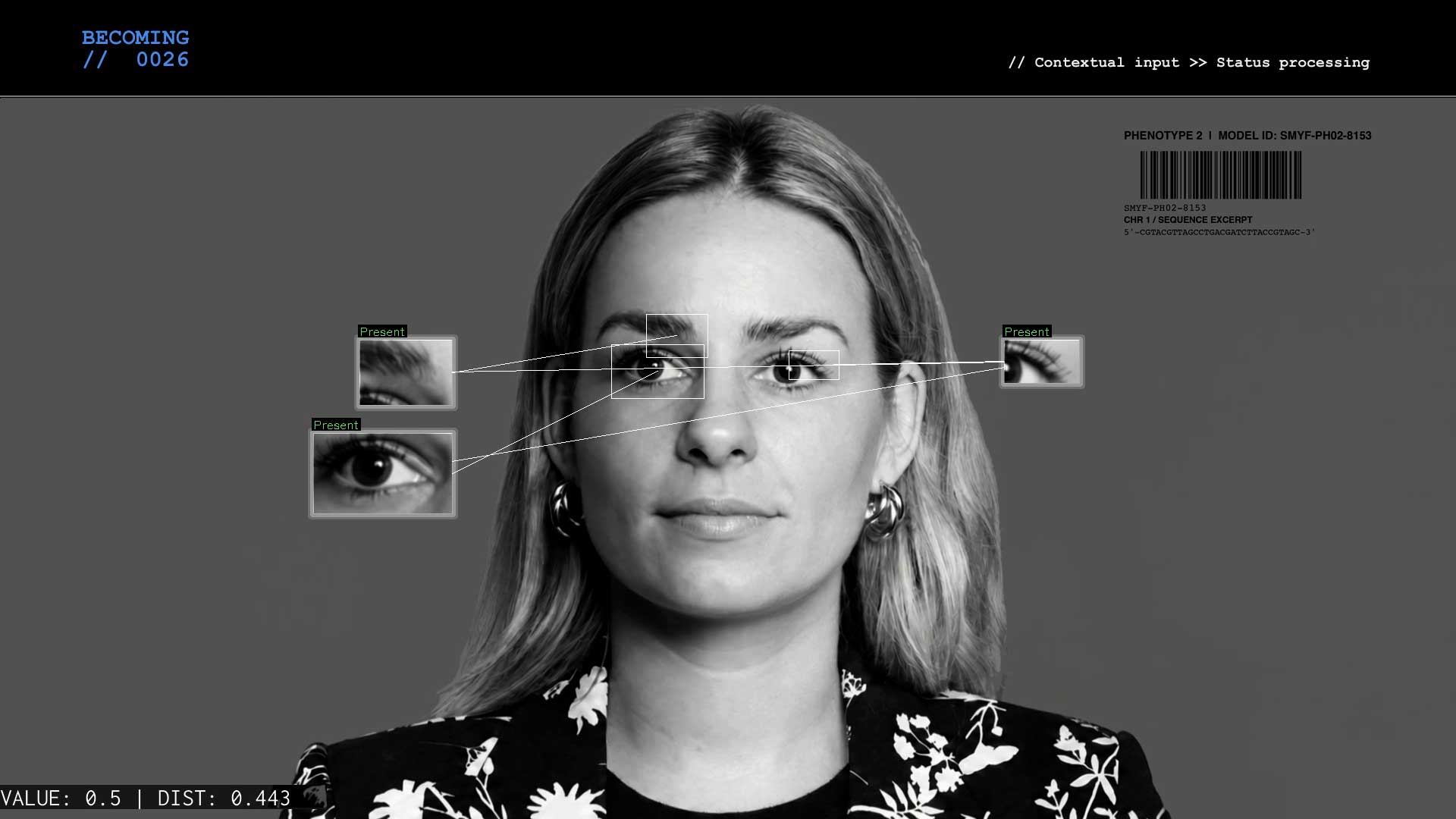
The third projection, Status Processing, explores possible phenotypic variations derived from photographic portraits of four real individuals.
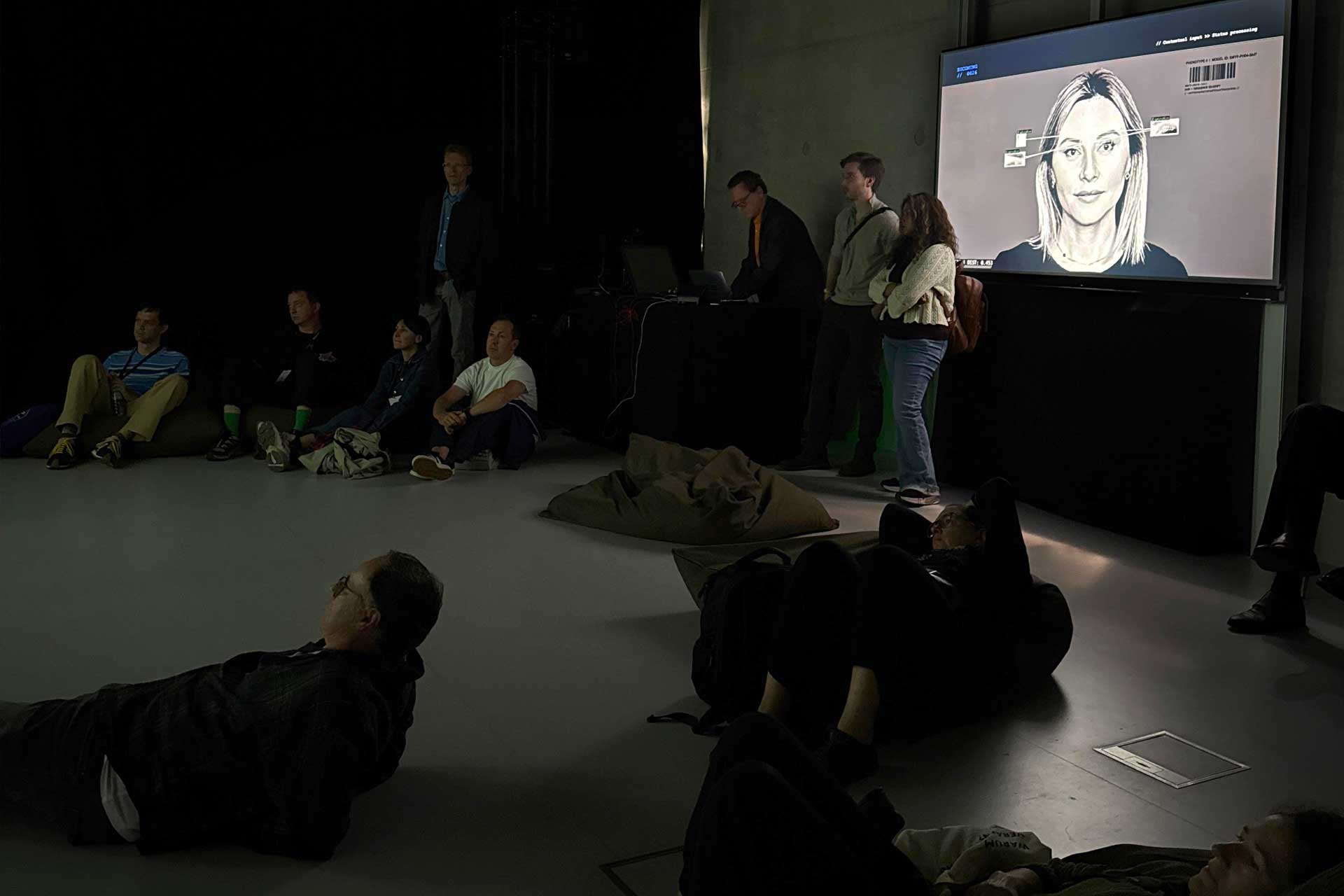
Together, the projections and genomic sonification create an immersive audiovisual environment in which genetic information, lived experience, and speculative human possibilities continuously interact.
Through moving image, text, AI-mediated visual transformation, and the direct sonification of genomic data, the work invites viewers into a contemplative space where human identity unfolds as an ongoing negotiation between inheritance and possibility.
VIDEO PROJECTION 01.
FROM GENOME TO EXPERIENCE.
Projected genetic sequences derived from Chromosome 1 of the Human Reference Genome (GRCh38.p14), presented through the Integrative Genomics Viewer interface (IGV), serve as a symbolic representation of our shared biological origin.
Words and phrases extracted from participants’ testimonies, collected anonymously via the online form Fragments in Translation, are introduced into the visual flow of the genomic code.
In the second projection, Contextual Input, these words unfold into fragmented visual narratives, combining human portraits with fleeting images of environments, places, memories, and relationships.
These contextual fragments evoke the experiences and external influences that shape human development and identity.
VIDEO PROJECTION 02.
STATUS PROCESSING. PHENOTYPES.
Starting from original portraits of four real individuals, each generated portrait represents a speculative phenotypic variation.
Using a complex AI pipeline, facial morphology is reconstructed through variations in craniofacial structure, skeletal proportions, soft tissue distribution, skin and hair characteristics, and aging patterns.
Facial tracking introduces another layer of interpretation, using keywords associated with cognitive-affective integration, threat sensitivity, emotional regulation, and cognitive control. These references suggest the complex interplay between biological inheritance and lived experience.
Through continuous morphing, the portraits unfold as multiple possible versions of human identity rather than fixed biological outcomes.
THE GENOME OCTET.
THE GENOMIC STRUCTURE AS SOUND.
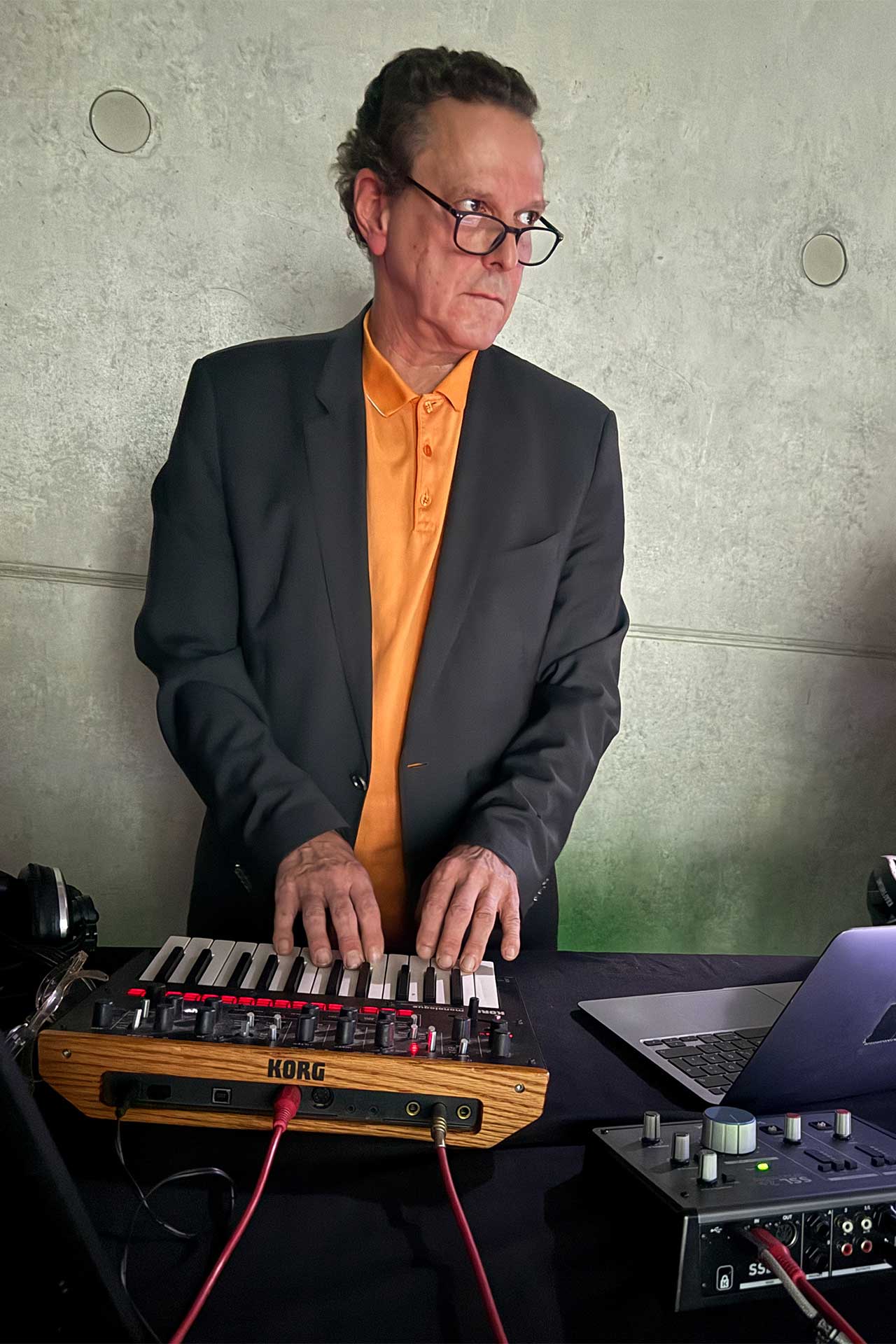
The installation explores the direct sonification of genomic data, translating DNA sequences into musical structures through a process that maps genetic information to notes, rhythms, and sonic patterns.
The audiovisual installation is accompanied by THE GENOME OCTET, an eight-channel sound installation featuring live performance interventions by Rupert Huber.
Translating the project’s genomic structures into an immersive sonic space, the composition introduces an auditory dimension to the relationship between biological information and artistic expression.
PROJECT TEAM
Concept: Johannes Pröll (AT), Mihaela Kavdanska (BG/AT), Rupert Huber (AT), Dilmana Yordanova (BG/RO)
Scientist, Project Lead: Johannes Pröll (AT), Center for Medical Research, JKU Faculty of Medicine
Artistic Director, Media Artist, Producer: Mihaela Kavdanska (BG/AT)
Composer, Sonic Art Director: Rupert Huber (AT)
AI Creative Director, Media artist: Dilmana Yordanova (BG/RO)
AI visual developer: Daniel Gontz (RO/NL)
Scientist: David Demmel (AT), Center for Medical Research, JKU Faculty of Medicine
Models: Johannes Pröll, Elena Ivek, David Demmel, Magdalena Pröll
Photographer: Maria Kratzert (AT)
Co-producer: KOTKI visuals (RO)
In collaboration with JKU Center for Medical Research, FURNA art & culture and KOTKI visuals.
Supported by LIT—Linz Institute of Technology and the State of Upper Austria.